
4 Easy Chords = Hundreds of Songs! 🎸
Oct 31, 2026What if you could play hundreds of songs using just four chords?
Even better, what if you could switch among those chords without moving two of your fingers?
That's exactly what we're going to explore today!
Four Chords, Two Fingers That Stay Put
The four chords are:
- G major (four-finger version)
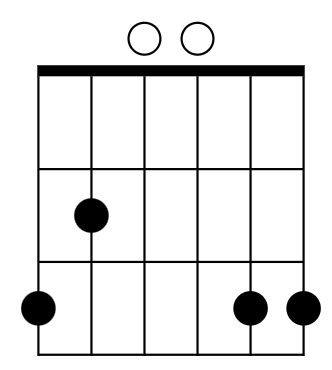
- Dsus4
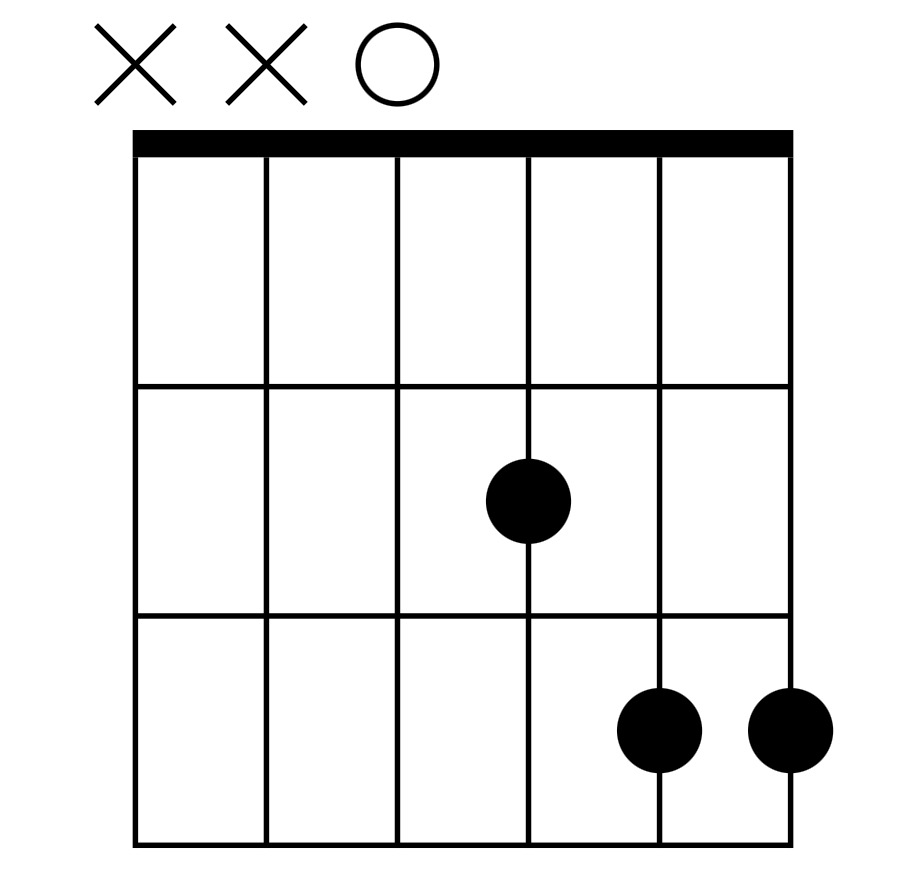
- Cadd2
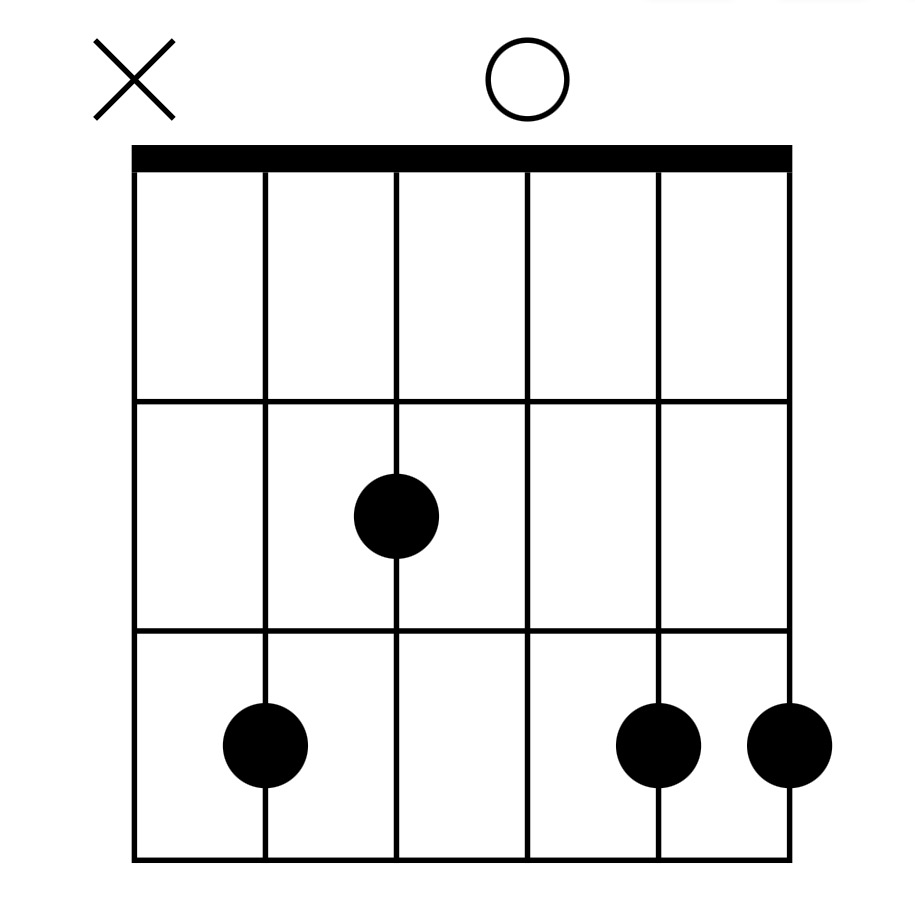
- Em7

Here's what makes these chords so useful: your ring finger and pinky can stay in exactly the same place for all four chords!
Place your ring finger on the 3rd fret of the B string (second string from the floor) and your pinky on the 3rd fret of the E string (closest string to the floor).
Now, keep those two fingers in place as you switch among the four chords.
We call these common fingers or pivot fingers because they stay anchored while your other fingers move.
Why Is This a Big Deal?
One of the biggest challenges beginners face is changing chords smoothly.
Often, we lift all our fingers off the guitar, search for the next chord shape, and then try to put everything back in place.
That takes time!
But with these four chords, half of your fingers are already in the right place before you even start changing chords.
That means:
- Faster, smoother chord changes
- Less movement and less frustration
- More attention available for keeping a steady rhythm
And because these chords sound great together, you can use them to play a tremendous variety of songs!
What Songs?
You can use these chords in many songs that use G, D, Em, and C. While Dsus4, Em7, and Cadd2 don’t sound exactly the same as the standard chords, they will usually work. Here are some songs that use G, D, Em, and C where you could try using the G, Dsus4, Em7, and Cadd2 instead:
- With or Without You – U2
- Don't Stop Believin' – Journey
- Perfect – Ed Sheeran
- Let It Be – The Beatles
- I'm Yours – Jason Mraz
- She Will Be Loved – Maroon 5
- Stand By Me – Ben E. King
Try This!
Practice the four-chord progression:
G → Dsus4 → Em7 → Cadd2
Strum each chord four times before moving to the next one.
Start slowly, and pay special attention to keeping your ring finger and pinky anchored throughout the entire progression.
Once you can change chords comfortably, try playing with a steady beat.
You'll be surprised how musical these chords can sound!
Once you’re comfortable playing the chords with a steady beat, try playing one of the songs mentioned above.
Keep making music!
Struggling With Sloppy Chord Changes?
Get my free guide: 7 Steps to Play Smoother Chord Changes